When you visit El Salvador, there are lots of opportunities to learn their traditional crafts and cooking. As the country has become safe, stable and thriving, they want to share who they are and what they’re about after being a mysterious no-go zone for decades. I headed over on the Ruta de las Flores to the Maria Isabel, a hotel in Ataco to learn how to make one of their culinary staples, the papusa. I was happy to be hosted to experience it!
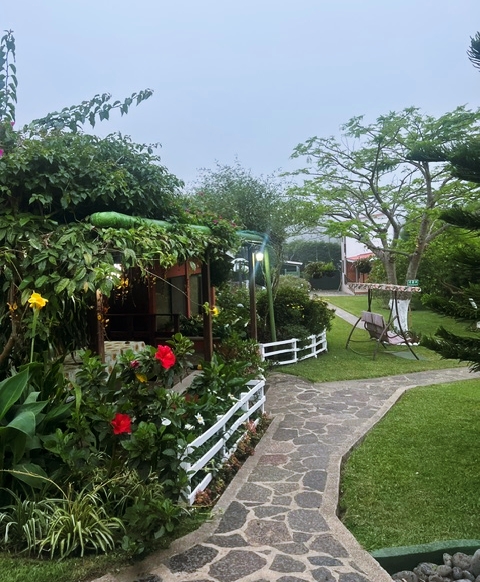
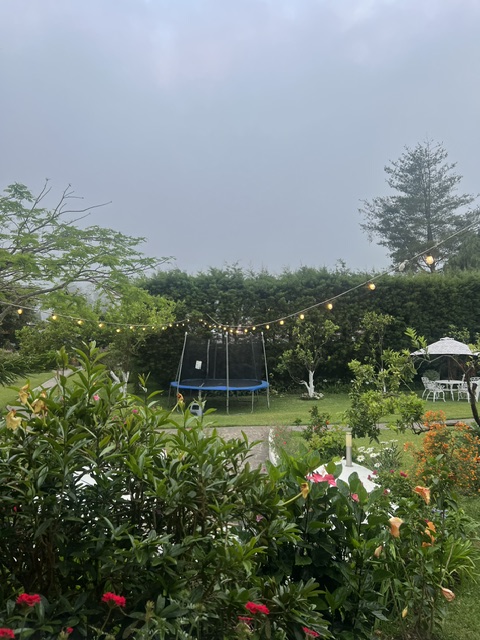
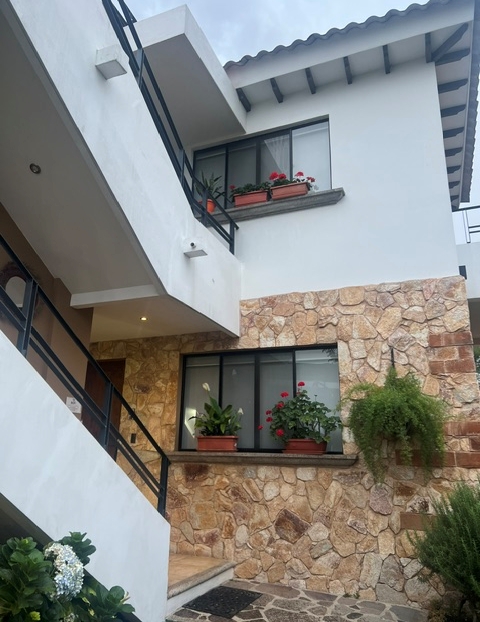
This is a small hotel that looks like condos with a massive back yard. It would be perfect for reunions, gatherings or retreats where you want lots of space to hang out, with things for the kiddos, firepit, a grill.
Papusas are extremely popular in El Salvador and you can find lots of stands that make just that — the papusarias. That’s because — like a sausage-cream cheese roll I sometimes make during the holidays — it’s good for breakfast, lunch, dinner or snacks, as well as hot or cold.
They’re inexpensive and filling, so great for the hard manual labor that must be done, even just climbing to work on one of the 200 of the country’s volcanoes! I hear there are some professional offices on volcanoes — an architect, maybe? I can’t imagine climbing up to my law office. But certainly, they don’t get plumbing, electricity, wifi or furniture on their own. Papusas fuel the progress! Hey, I ought trademark that, it’s pretty good.
To start with, after washing your hands thoroughly, you have to make a dough that will hold stuffing. This is where I could have predicted that I would have some problems. A few months ago, I tried making kreplach, the Ashkenazi Jewish dumplings filled with random Kosher meats . . . because they are so labor intensive, not even the famous ones here sell it, except for Montreal’s Main Street Steakhouse. So, the deal was, I didn’t want thick, doughy, carb-y vehicles for the meat, I wanted something delicate. But the problem is, that doesn’t fly for what is essentially a historically peasant food: they fell apart.
I added too much water, wanting them smooth like a bread dough and thinner. No bueno.
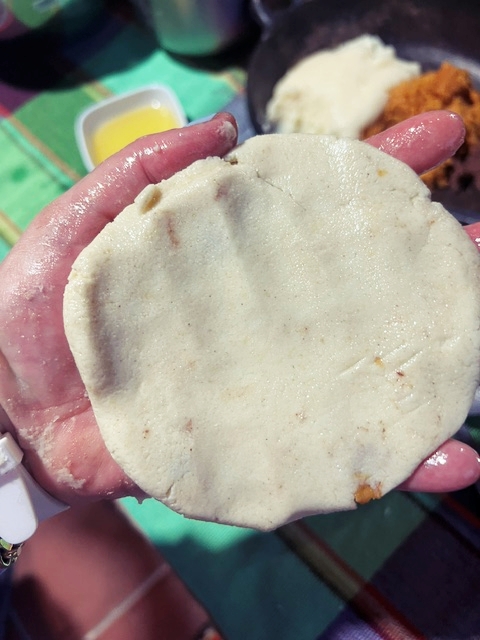
I asked about what kind of flour to use. Through a translator, I learned that typically, the lady of the house would mostly use ground fresh corn. But for our purposes, we would just be using white corn meal (not yellow). With a little oil and water that we added ourselves (n.b.!), we made a ball that had to be flattened into a disc and stretched. This is pretty much a tortilla stage.
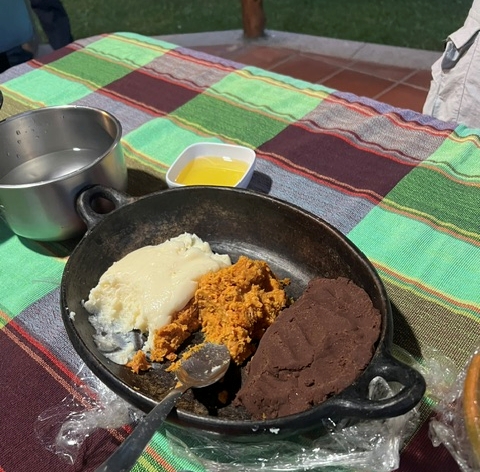
Then, you add your fillings. This can be all kinds of things, but we added ground chicharrone (fatty fried pork), seasoned frijoles (beans) and mashed potatoes. Some people put a white, mild cheese. They have two main kinds of cheeses in their “typicos” foods; one’s like a Monterey Jack and one is like a dry, salty feta. The mild one shredded is what they’d use.
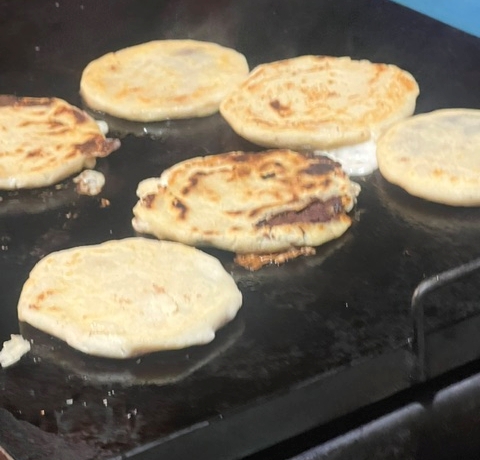
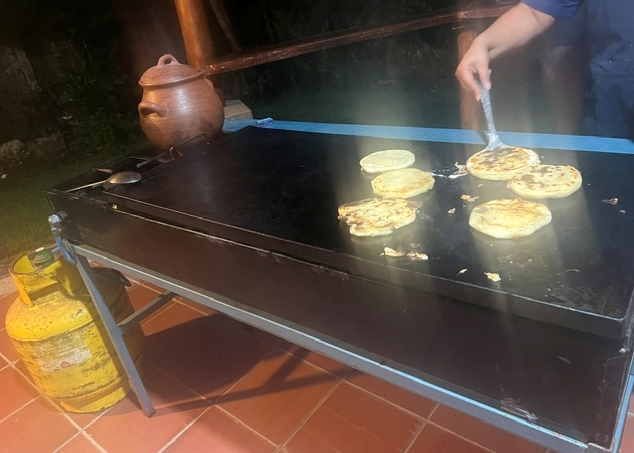
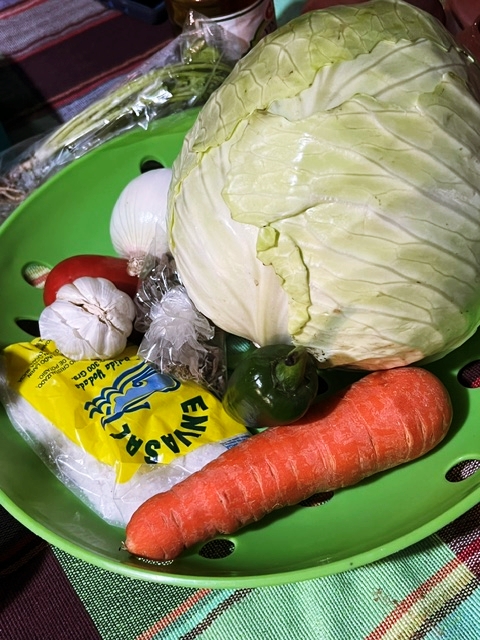
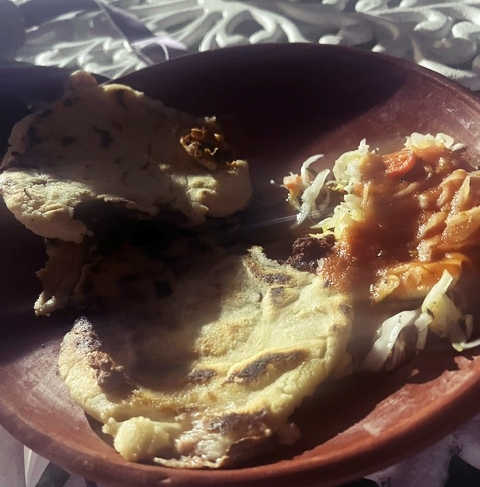
Seal it up by pinching and flatten. Next, it goes onto a well-oiled grill for a few minutes each side. Ours was served with a fresh, vinegar-based coleslaw.